
Prostate Biopsy?

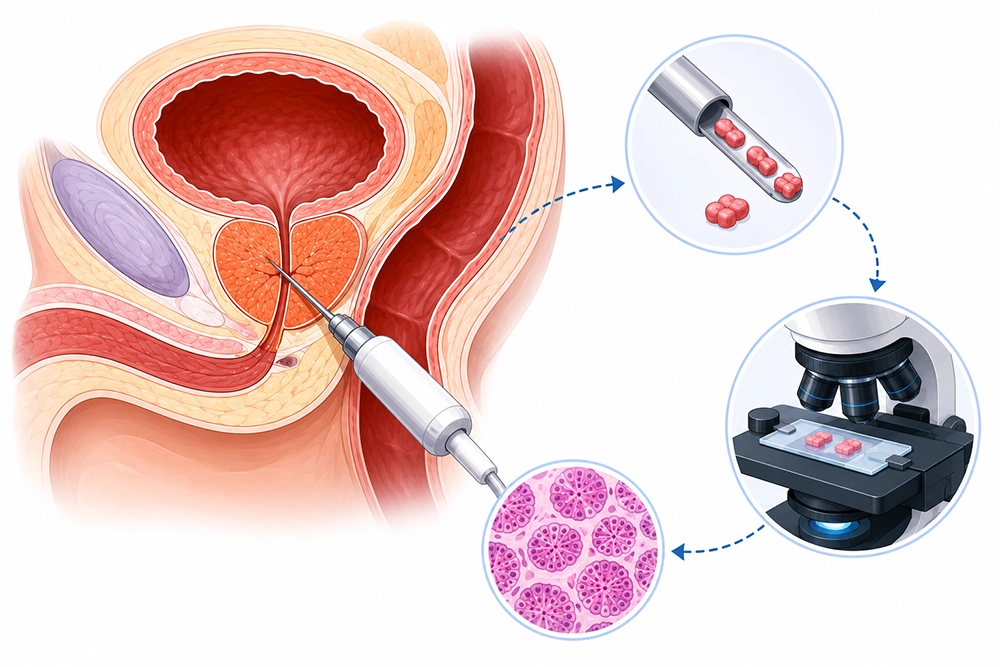
When Do You Need a Prostate Biopsy?
A prostate biopsy may be recommended when prostate test results or imaging findings raise concern for clinically significant prostate cancer. By examining prostate tissue samples directly, a biopsy provides the most definitive way to confirm the presence of cancer and guide appropriate treatment planning.


Who Should Consider
a Prostate Assessment?
Further evaluation for prostate cancer may be recommended if you are experiencing persistent urinary symptoms, abnormal prostate test results, or risk factors associated with prostate cancer.
You may benefit from prostate evaluation if you:
- Are aged 50 and above
- Have a family history of prostate cancer
- Experience urinary symptoms such as weak urine flow, frequent urination, or difficulty passing urine
- Experience pelvic discomfort or lower back pain
- Notice blood in the urine or semen
- Have previously been diagnosed with an enlarged prostate or prostatitis
- Have had unusual findings from prior screening tests
You may benefit from prostate evaluation if you:
- Are aged 50 and above
- Have a family history of prostate cancer
- Experience urinary symptoms such as weak urine flow, frequent urination, or difficulty passing urine
- Experience pelvic discomfort or lower back pain
- Notice blood in the urine or semen
- Have previously been diagnosed with an enlarged prostate or prostatitis
- Have had unusual findings from prior screening tests
A timely specialist assessment from Dr Lincoln Tan can help determine whether further investigation, including prostate biopsy, may be necessary.
What Could Be Causing Your Prostate Symptoms?
Urinary symptoms, changes in urinary habits, or prostate-related discomfort may be linked to underlying prostate conditions that require further evaluation.
These may include:
- Prostate Cancer
Cancer within the prostate gland that may require further investigation and treatment.
- Benign Prostate Enlargement (BPH)
A common non-cancerous enlargement of the prostate that can affect urinary function and raise PSA levels.
- Prostatitis
Inflammation or infection of the prostate that may cause discomfort, urinary symptoms, and temporary PSA elevation.
Because these conditions can present in similar ways, a structured assessment is important in determining whether further investigation, including prostate biopsy, may be necessary.
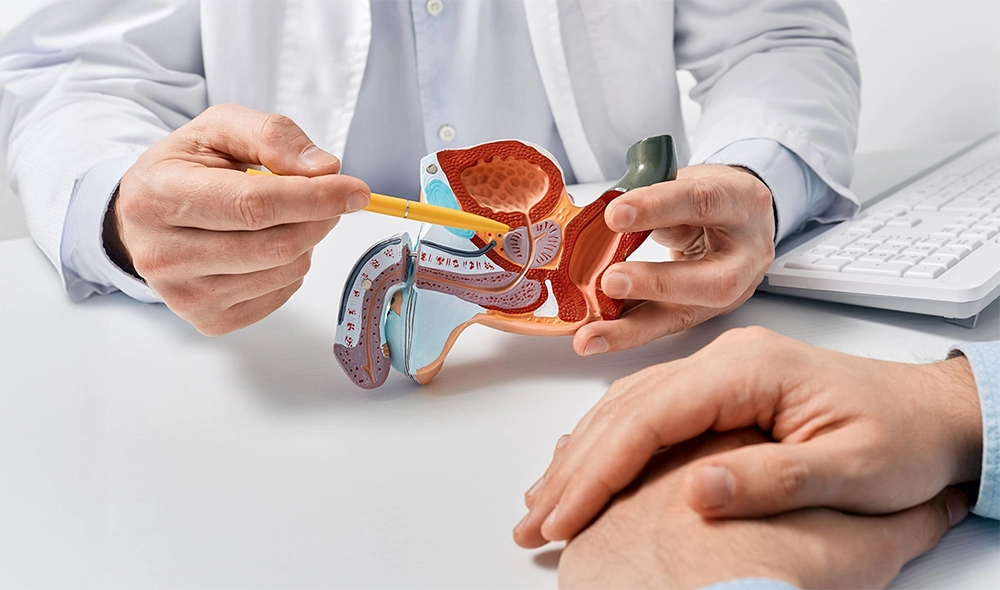
Early Assessment Matters for Prostate Symptoms and Prostate Cancer Risk.
Specialist evaluation can help identify the cause of prostate concerns and guide appropriate next steps for investigation and treatment.
How We Assess Whether a Prostate Biopsy Is Needed
Not everyone with abnormal prostate findings or symptoms will require a biopsy straight away. At Tan Urology, we use a combination of clinical assessment, blood tests, and advanced imaging to better evaluate each patient's individual prostate cancer risk before recommending the most appropriate next steps.
This may include:
Prostate Specific Antigen (PSA) Test
Prostate Magnetic Resonance Imaging (MRI)
Prostate Health Index (phi)
A prostate biopsy may be recommended when the overall results from these tests suggests a higher likelihood of clinically significant prostate cancer. This decision is based on a combination of findings rather than a single test result alone.
Get Prompt Specialist Assessment for Prostate Concerns.
At Tan Urology, comprehensive prostate assessment, from consultation to prostate biopsy, can be completed within 48 hours when clinically appropriate.
FAQs About When a Prostate Biopsy May Be Needed
Why is a prostate biopsy important?
Does a high PSA always mean cancer?
Can MRI avoid prostate biopsy?
What PSA level usually requires biopsy?
What happens if biopsy results are negative?

Dr Lincoln Tan
Dr Lincoln Tan is a consultant urologist with a subspecialty focus in prostate cancer, as well as extensive experience in advanced diagnostics. By combining advanced risk stratification tools with his clinical expertise, Dr Tan has developed a measured and evidence-based approach to prostate cancer detection.
Dr Tan was the principal investigator of the first local study validating the use of the Prostate Health Index (phi) in Singapore. This work has helped improve how prostate cancer risk is assessed, allowing for more accurate identification of patients who require a biopsy while reducing unnecessary procedures in lower-risk individuals.
Beyond his clinical work, Dr Tan regularly supports men's health initiatives and is actively involved in mentoring and training future urology specialists.
Dr Tan was the principal investigator of the first local study validating the use of the Prostate Health Index (phi) in Singapore. This work has helped improve how prostate cancer risk is assessed, allowing for more accurate identification of patients who require a biopsy while reducing unnecessary procedures in lower-risk individuals.
Beyond his clinical work, Dr Tan regularly supports men's health initiatives and is actively involved in mentoring and training future urology specialists.